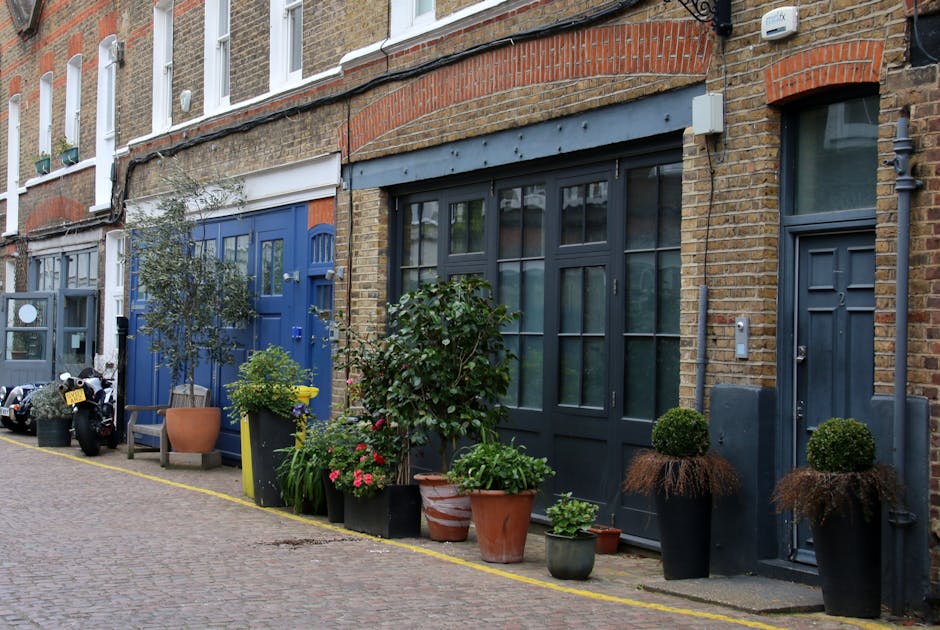
W1W Fitzrovia Courtyard Gardeners for Narrow Access Jobs: Practical Guide for Tight City Spaces
Courtyard gardens in W1W Fitzrovia can look deceptively simple from the street. Then you get to the back gate, the narrow passage, the awkward stairwell, or the one way in and out that barely fits a wheelbarrow. That is where W1W Fitzrovia courtyard gardeners narrow access jobs becomes more than a search phrase. It becomes a real planning issue.
If you are dealing with a compact courtyard, a tucked-away mews space, a basement lightwell, or a small urban garden with tight entry points, the job needs more than enthusiasm. It needs careful access planning, the right tools, sensible scheduling, and a team that understands how to work cleanly without damaging property or plants. In Fitzrovia, where buildings are close together and movement can be restricted, that matters a lot.
This guide explains how narrow-access courtyard gardening works, what to expect, where the risks are, and how to judge whether a job is straightforward or genuinely fiddly. We will also look at practical steps, common mistakes, and the kinds of services that tend to help most in small central London gardens. No fluff. Just useful detail you can actually use.
Why W1W Fitzrovia Courtyard Gardeners Narrow Access Jobs Matters
Narrow access changes everything. A routine pruning job in a spacious garden can become a careful, slow-moving process when the only route is through a communal hallway, a side passage, or a tight archway. In W1W Fitzrovia, that kind of access is not unusual. Many gardens are hidden behind flats, terraces, offices, and converted buildings, so the challenge is not just the work itself. It is getting to the work safely and tidily.
Why does that matter? Because a garden team that ignores access constraints can end up creating avoidable mess, noise, delays, and even damage. A carelessly carried hedge trimmer, a bulky bag of waste dragged through a hallway, or a heavy decking board squeezed through a narrow door can cause frustration very quickly. And let's face it, nobody wants a beautiful courtyard job that leaves a trail of soil on the stair carpet.
Good narrow-access gardening is about control. Control over movement, waste removal, timing, and plant handling. That includes choosing compact tools, planning the route in and out, and being realistic about what can be done in one visit. It also means understanding the character of the space. A small shaded courtyard with old paving and climbing plants has different needs from a sunny modern patio with planters and decking.
For local property owners, landlords, managing agents, and businesses, this matters for another reason too: presentation. Courtyard spaces often act like an outdoor reception area. When they are tidy, trimmed, and healthy, they improve the feel of the whole property. When they are neglected, it shows. Sometimes instantly.
How W1W Fitzrovia Courtyard Gardeners Narrow Access Jobs Works
Narrow-access garden work usually starts long before the first cut is made. A reliable team will first look at how they get into the site, where equipment can be staged, and how waste will leave the property. It sounds obvious, but this planning stage is what separates an efficient job from a frustrating one.
In practice, the process often looks like this:
- Access review: The team checks entrances, gates, stairs, lifts, corridors, and any restrictions on moving tools or waste bags.
- Scope assessment: They identify what needs doing, whether it is maintenance, clearance, hedge trimming, lawn care, or a small landscaping update.
- Tool selection: Compact, lightweight, low-noise tools are chosen where possible. Sometimes battery equipment is better simply because it is easier to handle in tight spaces.
- Protection setup: Floors, door frames, and vulnerable surfaces may need protection before any work begins.
- Work sequencing: Tasks are completed in the right order so waste, cuttings, and debris do not block access midway through the job.
- Waste removal: Green waste is bagged, carried out safely, and sorted for disposal or recycling where appropriate.
- Finish and reset: The site is cleaned, surfaces are swept, and the courtyard is left usable, not just technically "done".
The tricky part is that no two narrow-access jobs are exactly the same. A garden behind a basement flat might involve stairs and low light. A courtyard behind a commercial building could have timed access windows and more foot traffic. A roof terrace might have weight restrictions and a need for extra care around waterproofing. That is why local experience matters. Truth be told, tight spaces punish guesswork.
If the job involves more than routine tidying, it can also overlap with related services such as garden maintenance, garden clearance, hedge trimming, lawn mowing, or even landscaping where access permits.
Key Benefits and Practical Advantages
There is a real difference between just "getting gardening done" and having a courtyard handled properly in a restricted space. The benefits show up in small but important ways.
- Less disruption: Carefully planned access keeps hallways, shared paths, and neighbouring areas cleaner.
- Lower risk of damage: Narrow routes require discipline, which reduces knocks, scuffs, and broken pots.
- Better plant health: In a cramped courtyard, pruning and maintenance need to be precise so light, airflow, and shape are preserved.
- Faster repeat visits: Once a site is understood, future maintenance becomes smoother and less stressful.
- Improved curb appeal and value: A tidy courtyard can make a flat, office, or townhouse feel much more polished.
- More practical waste handling: Waste is dealt with systematically rather than building up in corners or storage areas.
There is also an emotional benefit people often underestimate. Small urban gardens can feel like private breathing space in the middle of the city. When they are cluttered or overgrown, you stop using them. When they are well kept, you start opening the door again in the morning, coffee in hand, noticing the light. That sounds simple, but it is the whole point, really.
For properties that need ongoing care, a planned approach often works better than one-off panic jobs. If the space needs regular attention, a service like services overview can help you understand how maintenance, clearance, and related tasks fit together across the year.
Who This Is For and When It Makes Sense
Narrow-access courtyard gardening is not just for homeowners with tiny patios. It is useful for a wide range of people and property types in W1W Fitzrovia.
It tends to make sense if you are:
- a flat owner with a courtyard, terrace, or internal garden
- a landlord preparing a rental property between tenancies
- a managing agent dealing with shared outdoor space
- a business owner with a front, rear, or side planting area
- a resident who cannot easily move heavy waste or equipment through the property
- someone facing seasonal overgrowth after a period of neglect
It also makes sense when the site is physically awkward. Think of a garden that is only reachable through the building, past neighbours, or down a flight of stairs. Or a courtyard with paving too tight for wheelbarrow movement. Or a long, thin space where every planter has to be moved by hand.
Some jobs are clearly maintenance-led. Others are more about recovery. If the area has become cluttered with cuttings, broken pots, leaf fall, or old furniture, then a combination of clearance and maintenance may be needed. In heavier cases, the right first step may be a garden clearance followed by regular upkeep afterwards. That sequence saves time in the long run. Usually.
Step-by-Step Guidance
If you are planning a narrow-access courtyard job, a step-by-step approach helps avoid awkward surprises. Here is a practical way to think about it.
1. Map the access before booking
Walk the route from the street to the garden. Notice widths, turns, stairs, gates, locks, trip hazards, and anything fragile. If you can, take a few photos. Even simple pictures of a passage, a door latch, or the garden entrance can tell a gardener a lot.
2. Decide what the job really is
Is it a tidy-up, a seasonal cut-back, a replanting job, or a full refresh? Narrow-access spaces often benefit from clear priorities because time and movement are limited. A good brief avoids wasted effort.
3. Identify restrictions and risks
Look for shared building rules, access hours, noise sensitivities, delicate floors, or areas where tools cannot be stored. If waste has to be carried through communal areas, that needs planning from the start.
4. Choose the right method and equipment
Compact hand tools, battery-powered cutters, smaller bags, and protective sheeting can make a huge difference. In some courtyards, less is more. A large machine is not always the clever choice; sometimes it is the worst one. A bit old-fashioned, perhaps, but true.
5. Work in phases
For a cramped site, the work is often best done in logical phases: clear access, prune, collect debris, tidy edges, then finish with a final sweep. If landscaping or installation is involved, the sequence matters even more.
6. Remove waste without blocking the route
Waste should be bagged and moved steadily, not left in a heap in the only pathway. On tight jobs, neat waste handling is as important as the cutting itself.
7. Finish with a proper check
Before the team leaves, the area should be checked for loose debris, damaged pots, slippery surfaces, and anything left behind in corners. A courtyard may be small, but small spaces show every missed detail.
Expert Tips for Better Results
Here are a few things that tend to make a real difference on courtyard jobs with restricted access.
- Keep the brief short, but specific. "Tidy the courtyard" is not enough. Say what needs cutting, clearing, lifting, or shaping.
- Measure the awkward bits. A few centimetres can decide whether a tool or planter is workable. Honestly, that small gap matters.
- Use lightweight containers for waste. Smaller loads are safer than overstuffed bags or bins that snag on edges.
- Protect surfaces early. Door thresholds, tiles, and timber edging can be vulnerable in narrow routes.
- Plan around neighbours and building use. Courtyards in Fitzrovia often sit close to residential and commercial activity, so timing matters.
- Think about maintenance, not just rescue. A one-off overhaul looks nice, but a low-effort maintenance plan usually keeps the space better for longer.
A small but useful insight: if a space regularly feels hard to maintain, the problem may not be the plants. It may be the layout. Raised beds, awkward storage, or overcomplicated features can make every future visit harder. Sometimes simplifying the garden is the real upgrade.
If you are considering more structural improvements later, it may be worth looking at whether landscape gardening or decking services could make access and day-to-day use easier over time.
Common Mistakes to Avoid
Most problems in narrow-access garden jobs are not dramatic. They are usually small oversights that turn into annoying delays. The good news is they are avoidable.
- Booking without checking access properly: If nobody has looked at the route, surprises are almost guaranteed.
- Underestimating waste volume: In a small garden, cuttings can still add up quickly.
- Using oversized tools: Big equipment can be clumsy or simply unsuitable for indoor or corridor access.
- Ignoring shared-space rules: Building management requirements are easy to overlook and hard to fix on the day.
- Skipping protection: Unprotected flooring or walls can get marked in seconds.
- Leaving a maintenance backlog: Waiting too long often turns a simple tidy into a more expensive clearance job.
One more thing. People sometimes assume that because a courtyard is small, the job must be quick. Not always. Narrow access can slow everything down. Access is part of the job, not an afterthought.
Tools, Resources and Recommendations
You do not need a giant inventory of specialist gear, but the right practical setup helps enormously. For narrow-access courtyard jobs, these are commonly useful:
- compact hand shears and secateurs
- lightweight pruning saws
- battery-powered hedge cutters or trimmers where suitable
- small, sturdy waste bags
- tarpaulins or protective sheets for floors and thresholds
- gloves with a good grip for carrying tools safely
- brushes and hand brooms for the final clean-up
- containers or trays for moving soil, mulch, or plants in smaller loads
For property owners, it also helps to keep a simple site note: access instructions, keyholder details, waste handling preferences, and any surfaces that need special care. That note can save a surprising amount of back-and-forth later.
When choosing a provider, useful pages to review include pricing and quotes, about us, and contact us. You are looking for clarity, not vague promises. Clear communication is often the best sign of a tidy job to come.
If sustainability matters to you, it is also worth paying attention to how green waste is handled and whether the team works with a sensible sorting and disposal approach. A good starting point is the company's recycling and sustainability information.
Law, Compliance, Standards and Best Practice
Courtyard gardening in a tight London setting is not usually a heavily regulated activity in itself, but there are still important standards and duties to respect. The exact requirements depend on the site, the work being done, and whether the property is residential or commercial.
Best practice commonly includes:
- working safely around trip hazards, stairs, and shared access routes
- protecting communal areas and private finishes from damage
- handling tools carefully in line with manufacturer guidance
- managing green waste responsibly
- being mindful of noise, timing, and neighbours
- using suitable insurance and risk-aware working methods
For landlords, agents, and businesses, it is sensible to make sure the contractor has appropriate public liability insurance and a clear understanding of site rules. If the work involves climbing, cutting larger branches, or anything more technical than basic maintenance, caution becomes even more important. A proper health and safety policy and strong insurance and safety practice are worth checking, especially on tricky access sites.
If you are commissioning recurring work, also look for clear terms on scope, scheduling, cancellations, and site access. That kind of paperwork sounds dry, but it prevents misunderstandings. There is nothing glamorous about a disputed gate code or a missed appointment at 8 a.m. on a damp Tuesday. Yet here we are.
For a broader sense of how services are organised, the services overview page can help you understand how narrow-access courtyard work may sit alongside routine maintenance, clearance, trimming, or small landscaping tasks.
Options, Methods and Comparison Table
Different courtyard jobs call for different approaches. Below is a simple comparison that helps clarify the practical trade-offs.
| Method | Best for | Strengths | Watch-outs |
|---|---|---|---|
| Routine maintenance visit | Light pruning, tidying, and seasonal care | Quick, tidy, and cost-efficient over time | Not suitable if the space is heavily overgrown |
| Garden clearance first | Neglected courtyards, excess waste, cluttered access | Resets the space and makes later work easier | Can take longer and create more waste handling |
| Targeted pruning and hedge trimming | Overhanging growth, privacy screening, shape control | Improves light, structure, and appearance | Needs care around walls, windows, and tight routes |
| Light landscaping or redesign | Problem layouts, poor circulation, awkward planting | Can improve function long term | May require more planning and access coordination |
As a rule of thumb, if the courtyard is usable but untidy, maintenance often makes sense. If it is blocked, overgrown, or full of old material, clearance comes first. And if the layout itself is the problem, a small redesign may save a lot of hassle later. Simple, but not always easy.
Case Study or Real-World Example
Imagine a Fitzrovia flat with a small rear courtyard reached through a narrow communal hallway and down two shallow steps. The garden has a few tired planters, a hedge that has crept into the walkway, fallen leaves trapped in corners, and a strip of lawn that has become patchy. Nothing dramatic, but enough to feel messy every time the owner looks out of the window.
The sensible approach would be to start with access planning, protect the hallway floor, and remove waste in smaller loads rather than large, awkward bags. The hedge would be trimmed first so the route is clearer. Then the lawn area could be mown or tidied, planters reset, and the paving swept properly at the end. If the owner wanted to simplify the space further, the team might suggest moving one or two planters to improve movement. Not every courtyard needs more stuff. Some need less.
What does this example show? Mainly that a narrow-access job is not just about making things prettier. It is about making the space workable again. Once the flow improves, the courtyard usually starts to get used more often. A small lunch break outside. A plant watered on time. A door left open for fresh air. These little things matter more than people expect.
Practical Checklist
Before booking or starting a narrow-access courtyard job, run through this checklist.
- Have I checked the access route from street to garden?
- Are there stairs, lifts, narrow doors, or shared hallways to consider?
- Do I know exactly what needs doing: maintenance, clearance, trimming, or landscaping?
- Have I identified delicate surfaces that need protection?
- Is there a sensible plan for waste removal?
- Are there building rules, neighbour concerns, or time restrictions?
- Do I need one visit or an ongoing maintenance plan?
- Have I asked about insurance, safety, and site handling procedures?
- Is the space realistic for the proposed tools and methods?
- Have I left enough room for a proper final clean-up?
If you can answer yes to most of those, you are in good shape. If not, it is worth slowing down for a minute and filling in the gaps. That minute can save an hour later.
Get a free quote today and see how much you can save.
Conclusion
W1W Fitzrovia courtyard gardeners narrow access jobs are really about precision, planning, and respect for the space. In a small courtyard, the route in matters almost as much as the work inside it. That is why the best results usually come from a calm, methodical approach rather than a rushed one.
If you are dealing with a compact London garden that feels awkward to reach or hard to maintain, you are not alone. These spaces can be surprisingly rewarding once they are handled properly. A little light, a little breathing room, and a cleaner layout can change how the whole property feels.
Keep it practical, keep it tidy, and do not be afraid to ask for a plan before the work starts. That is often the difference between a job that merely gets done and one that genuinely makes life easier. And frankly, that is what good courtyard gardening is for.
Frequently Asked Questions
What does narrow access mean for courtyard gardening?
Narrow access means the garden can only be reached through tight routes such as small gates, corridors, stairwells, or shared entrances. It affects how tools, waste, and plants are moved in and out.
Why are Fitzrovia courtyard gardens often harder to maintain?
Many central London properties have compact outdoor spaces with limited entry points and nearby neighbours. That makes regular maintenance possible, but it usually needs more care and planning than an open suburban garden.
Can a gardener still handle a badly overgrown courtyard with limited access?
Yes, often they can. The job may just need a clearance-first approach, smaller waste loads, and more time on site. In some cases, the layout or access route determines how the work is split into stages.
Do narrow access jobs cost more?
They can, because access restrictions may increase labour time, careful handling, and waste movement. The final cost depends on the size of the space, the amount of work, and how awkward the site is to reach.
What kind of equipment is best for tight courtyard spaces?
Lightweight, compact tools are usually best. Hand tools, battery-powered equipment, small waste bags, and protective coverings tend to work well where access is restricted.
Is it better to choose maintenance or clearance first?
If the courtyard is just untidy, maintenance may be enough. If it is cluttered, blocked, or heavily overgrown, clearance is usually the better first step. After that, ongoing maintenance keeps it under control.
How do gardeners protect hallways and communal areas during access?
They may use protective sheets, controlled movement, smaller waste loads, and careful sequencing so the route stays as clean and unobstructed as possible. Good preparation makes a big difference.
Can narrow-access jobs include landscaping or decking work?
Sometimes, yes. It depends on the site size, the access route, and whether materials can be brought in safely. Smaller landscaping changes or compact decking improvements may be possible where access is manageable.
What should I tell a gardener before they visit a courtyard with tight access?
Tell them how the garden is reached, where the awkward spots are, what needs doing, and whether there are building rules or timing restrictions. Photos are genuinely helpful too.
How often should a small Fitzrovia courtyard be maintained?
That depends on planting, shade, and how much use the space gets. Many courtyards benefit from regular light maintenance rather than occasional heavy work, because small spaces can change quickly.
What if I am not sure whether my courtyard needs maintenance or a full clear-out?
If you are unsure, start with an assessment of access and condition. A sensible provider can usually tell you whether the site needs routine upkeep, a clearance visit, or a mix of both. That first conversation matters more than people think.
Where should I look for service and safety information?
Useful pages include the provider's health and safety policy, insurance and safety information, and pricing and quotes. Those pages help you judge how the work will be handled and what to expect.