Goodge Street courtyard gardeners before and after Fitzrovia
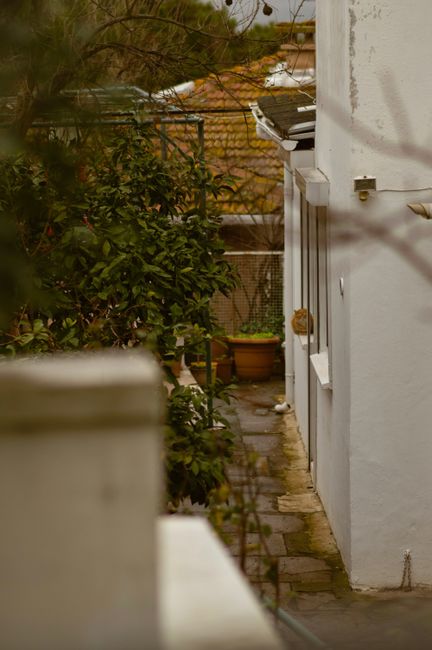
If you have ever looked at a small courtyard and thought, "This could be lovely, but right now it's just a bit tired," you are in the right place. The story behind Goodge Street courtyard gardeners before and after Fitzrovia is really about turning compact, overlooked outdoor spaces into places people actually want to use. In Fitzrovia and around Goodge Street, courtyards tend to be modest in size, a little shaded, and often shaped by the realities of central London living. That makes them tricky, but also full of potential.
This article breaks down what changes between the before and after, why those changes matter, and how a thoughtful courtyard garden plan can make a small space feel calmer, cleaner, and far more useful. We'll cover practical steps, common pitfalls, and the kind of finish that works best in urban settings. No fluff. Just a grounded guide for people who want the job done properly.
Why Goodge Street courtyard gardeners before and after Fitzrovia Matters
Courtyard gardens in this part of London are rarely big. That is the first thing to accept. The second is that small does not mean simple. A courtyard off Goodge Street can be affected by shade, wind tunnelling between buildings, limited drainage, awkward access, and a mix of paving, planters, and mature plants that have long since outgrown their welcome. One rogue ivy stem and suddenly the whole space feels like it's staging a quiet takeover. Nature, bless it, is persistent.
The before-and-after difference matters because a courtyard is usually seen up close and used daily. You notice the cracked container, the damp corner, the patchy planting, the way dead leaves gather under a bench. You also notice when those details are fixed. A good transformation can make a narrow space feel brighter, more organised, and surprisingly larger. That is a big win in Fitzrovia, where outdoor space is at a premium and every metre needs to earn its keep.
There is also a lifestyle angle. A tidier courtyard improves first impressions for visitors, supports better maintenance routines, and often makes a property feel more settled. For landlords, office courtyards, boutique hospitality settings, and private homes alike, the visual shift from neglected to cared-for can be immediate. Not flashy. Just quietly effective.
Expert summary: In compact central London courtyards, the best before-and-after results come from simplifying the layout, improving structure, and choosing plants and materials that suit shade, access, and long-term maintenance rather than chasing a big dramatic look.
How Goodge Street courtyard gardeners before and after Fitzrovia Works
The process is usually less about "starting from scratch" and more about making smart, targeted changes. A strong courtyard makeover starts with assessment. What survives? What is failing? What needs trimming, clearing, repairing, replacing, or simply rethinking?
In practical terms, the work often falls into a few layers:
- Clear the clutter: remove dead growth, broken pots, fallen leaves, and anything blocking movement.
- Reset the structure: define pathways, edges, seating zones, and planting areas.
- Improve the planting: introduce shade-tolerant, container-friendly, low-fuss plants where appropriate.
- Restore surfaces: clean paving, improve drainage, and check for slippery areas or moss build-up.
- Finish with maintenance planning: decide what needs weekly, monthly, or seasonal attention.
That before-and-after story is not just visual. It changes how the space functions. A courtyard that once felt like a storage corner can become a morning coffee spot, a quiet reading nook, or a neat green backdrop for a business entrance. The key is that the design respects the space rather than fighting it. In a lot of central London gardens, that is the difference between something that looks styled for a week and something that actually lasts.
If the courtyard has been neglected for a while, a more intensive reset may be needed first. That is where a service such as garden clearance can help before any finer planting or landscaping work begins. Once the base is clean, everything else becomes easier. And honestly, it is easier to see what you are working with when you are not staring at three seasons' worth of old growth.
Key Benefits and Practical Advantages
The most obvious benefit is visual. A courtyard can go from cluttered and dark to neat and inviting quite quickly. But the practical gains are often more important than the photo-ready reveal.
- Better use of space: compact courtyards need careful planning, not guesswork.
- Easier maintenance: a cleaner layout means fewer awkward corners and less ongoing hassle.
- Improved access: tidy circulation paths make it simpler to move around, water plants, or bring items in and out.
- Healthier planting: the right plants in the right conditions usually hold up better over time.
- Stronger property feel: an orderly courtyard tends to lift the whole tone of a home or business.
- Lower risk of neglect: when maintenance is manageable, the space is more likely to stay looking good.
A lot of people focus on the finish but forget the maintenance burden. That is where a well-planned courtyard really earns its place. If you are dealing with overgrown hedges, thin patches of planting, or a garden that needs regular upkeep, a structured garden maintenance approach usually works better than one-off tidying alone. The same goes for edges, boundaries, and screening. A neat hedge trimming schedule can make a small courtyard feel far more composed, especially in tight urban settings.
And yes, a good before-and-after can be a morale boost. It sounds a little grand, but people really do use spaces more when they look cared for. They just do.
Who This Is For and When It Makes Sense
This kind of courtyard work is a good fit for several different types of property owner and manager. In Fitzrovia, the needs can be slightly different from one building to the next, so it helps to be honest about the goal before any work begins.
- Homeowners: if your courtyard is underused, messy, or hard to maintain, a reset can make daily life nicer.
- Landlords: a presentable outdoor space can help a property feel more cared for and easier to let.
- Businesses: courtyards at offices, clinics, studios, and hospitality sites often create first impressions before anyone even steps inside.
- Block managers and agents: practical, low-maintenance solutions are usually the priority here.
- Design-conscious owners: if you want a refined outdoor room rather than a standard garden, courtyard work is a good route.
It makes sense when the space is technically there, but not really working. Perhaps it is too shaded. Perhaps plants keep failing. Perhaps the paving is fine but the planting is not. Or perhaps everything is just a bit off. That's common. Truth be told, a lot of courtyard gardens simply need clearer boundaries and a calmer planting palette.
If you are thinking beyond tidying and into layout changes, it may be worth looking at broader landscape gardening or landscaping support, especially if the space needs new structure, seating, edging, or a different flow. That gives the courtyard a proper framework instead of a temporary fix.
Step-by-Step Guidance
If you are planning a courtyard transformation, the best results usually come from a clear sequence. Rushing straight to planting is where people often stumble. Slow down a touch at the start and the end result tends to be stronger.
- Assess the courtyard honestly. Note what gets sun, what stays damp, where people actually walk, and which plants or materials are working against you.
- Remove the obvious problems. Cut back dead growth, clear leaf litter, remove broken containers, and deal with anything unsafe or unstable.
- Clean hard surfaces. Paving, steps, and walls often hold the visual weight of a courtyard. When they are clean, the whole space brightens.
- Check drainage and runoff. Courtyards can hold water in awkward ways. A soggy corner can ruin planting before it gets going.
- Decide on the function. Do you want seating, screening, planting, storage concealment, or just a low-maintenance green corner?
- Choose plants with purpose. Shade-tolerant, container-friendly, and resilient varieties usually suit central London courtyards better than fussy choices.
- Build the structure first. Edging, planters, trellis, and surfaces should come before decorative extras.
- Finish with a maintenance plan. Even the best courtyard will drift if nobody looks after it. Not every week, but regularly enough.
A sensible sequence saves money and frustration. If there is old timber, damaged decking, or a surface that no longer serves the space, it may make sense to review options like decking services as part of the redesign rather than treating it as an afterthought. Likewise, if there is debris, rubble, or old container waste in the way, a clean-out via garden clearance can make the rest of the project much smoother.
One small practical point: measure twice. Courtyards have a funny way of looking larger in your head than they do in person. Happens all the time.
Expert Tips for Better Results
Small urban gardens reward restraint. That sounds almost too simple, but it is true. The biggest mistakes in compact courtyards usually come from trying to fit in too many ideas at once.
- Pick one strong look and stick with it. A courtyard feels calmer when the materials and planting speak the same language.
- Use repetition. Repeating a few plant types or container styles is often more effective than a crowded mix.
- Keep the floor space clear. In a narrow courtyard, open paving can make the area feel larger than extra decoration would.
- Think vertical as well as horizontal. Trellis, climbers, and wall planting can add softness without stealing usable space.
- Choose maintenance over novelty. If a plant looks amazing but sulks in shade and dries out instantly, it may not be worth the trouble.
- Plan for winter, not just summer. A courtyard has to look decent in dull weather too. We do live in London after all.
One thing worth saying clearly: the best gardeners in this setting are often the ones who know when not to overwork the space. If there is already a good hardscape, you may only need planting, pruning, and a better layout. If the bones are poor, then a stronger intervention may be necessary. That judgement call matters.
If health, safety, or access is a concern during the job, it is sensible to check practical working standards and contractor arrangements in advance. A professional team should be able to explain how they handle access, waste movement, and site safety in a way that makes sense, not in jargon. Good communication matters. More than people admit, really.
Common Mistakes to Avoid
Let's face it: courtyard gardening looks straightforward until it isn't. The confined space exposes every mistake. A few common errors come up again and again.
- Overplanting: too many varieties in a tiny area can make the courtyard look busy, then messy.
- Ignoring shade: planting sun-loving species in a shaded courtyard usually leads to disappointment.
- Forgetting drainage: water that has nowhere to go causes ongoing problems.
- Making the layout too crowded: if people have to sidestep everything, the design has failed a bit.
- Choosing high-maintenance materials: some surfaces and finishes look lovely but age badly in damp, sheltered spaces.
- Skipping maintenance planning: if nobody owns the aftercare, the before-and-after becomes a before-and-after-and-back-again story.
Another easy mistake is treating every courtyard as if it should become a lush mini-meadow. Sometimes that works. Often it doesn't. In Fitzrovia, many courtyards do better with structure, selective planting, and a disciplined finish. That may sound less romantic, but it is usually more successful.
For larger cut-backs or stubborn overgrowth, it can help to combine trimming with services such as lawn mowing where relevant, or even tree lopping and removal if a tree is causing shade, debris, or access problems. Not every courtyard needs that level of intervention, of course. But when it does, ignoring the issue is rarely the better option.
Tools, Resources and Recommendations
You do not need a huge toolkit to improve a courtyard, but the right equipment makes the job cleaner and safer. For homeowners, a light-touch maintenance kit is often enough. For larger or more complex spaces, professional tools and methods matter more than people think.
- Hand tools: secateurs, loppers, hand fork, small spade, and a good trowel.
- Cleaning tools: stiff brush, hose, bucket, and suitable surface cleaner for the paving type.
- Containment items: plant pots, planters, saucers, and gravel where appropriate for drainage.
- Support features: trellis, ties, edging, and compact storage solutions.
- Waste handling: bags, bins, and a plan for green waste removal so mess doesn't linger.
For property owners who want a more complete service view, the services overview is a useful starting point, especially if you are comparing maintenance, clearance, and landscaping options. And if cost planning matters, the pricing and quotes page can help frame what to ask for when you request an estimate.
Waste and sustainability are worth thinking about as part of the courtyard job, not after it. If you are keen to reuse materials, reduce waste, and make better disposal choices, the company's recycling and sustainability approach is relevant. That kind of practical detail is easy to overlook, then you end up with piles of unwanted material sitting around for longer than they should. Nobody wants that.
Law, Compliance, Standards, or Best Practice
For most courtyard garden projects, the main compliance issues are practical rather than dramatic. You are usually dealing with access, waste disposal, working safely, and making sure the work does not damage the building or shared areas. In central London, that matters because courtyards often sit close to neighbours, pathways, entrances, and shared services.
Good practice usually includes:
- carrying out a sensible site assessment before work begins
- protecting floors, walls, and nearby fixtures during clearance or trimming
- handling tools safely in restricted spaces
- disposing of green waste responsibly
- being clear about access times and any noise or disruption
If you are hiring help, it is reasonable to expect the contractor to have proper insurance and a clear safety approach. For that reason, it is worth reviewing pages such as insurance and safety and health and safety policy before work starts. That is not about being overly cautious. It is just good housekeeping, and in a tight courtyard, housekeeping matters more than ever.
For service terms, payment handling, and what is included in a quotation, the relevant pages are there too. The sensible thing is to read them before you sign off anything, not after. Bit obvious, maybe, but worth saying.
Options, Methods, or Comparison Table
There are several ways to improve a Goodge Street courtyard, and the right one depends on the condition of the space, the budget, and how much upkeep you want afterward.
| Approach | Best for | Main advantage | Trade-off |
|---|---|---|---|
| Light tidy and plant refresh | Courtyards that are mostly sound but look tired | Fast improvement with minimal disruption | Limited structural change |
| Clearance plus replanting | Overgrown or cluttered spaces | Fresh start and better long-term control | More waste removal and planning needed |
| Full landscaping reset | Courtyards with poor layout or failing surfaces | Strongest transformation and better usability | Higher cost and longer project time |
| Maintenance-first approach | Spaces that look good now but drift over time | Keeps the courtyard in good shape consistently | Less dramatic visual change at the start |
If the area needs a stronger design reset, combining planting with structural improvements is often the most effective route. That may include new edging, improved access, or a more coherent layout through landscape gardening. When the courtyard has an existing hard surface that could be improved or replaced, decking services may be worth considering too, provided the material suits the space and maintenance expectations.
Case Study or Real-World Example
Here is a realistic example from the kind of work that comes up in Fitzrovia. A small courtyard behind a Goodge Street property had become a catch-all for plant pots, old soil, tangled climbers, and a narrow strip of paving that no one really wanted to walk across in winter. The planting was patchy, the space felt dim, and the whole thing had drifted into that familiar "we'll sort it soon" stage. Which, as you probably know, can last months.
The before stage was typical: a few healthy plants, several struggling ones, and a layout that made the space feel smaller than it was. The first move was clearance. Once the dead material and clutter were removed, the courtyard immediately read better. Not perfect, just more legible. Then the paving was cleaned, the boundaries were sharpened, and the planting was simplified into a calmer, more shade-tolerant mix.
The after result was not dramatic in the glossy-magazine sense. It was better than that. It felt believable. The courtyard became a small sitting area with green structure rather than a garden trying too hard. Maintenance became easier, the entrance looked more welcoming, and the owners could actually use the space without mentally listing all the jobs still to do. That's the kind of result most people want, even if they do not say it quite like that.
In cases where access is limited and waste needs to be moved carefully, a well-organised team makes the difference between a smooth day and a messy one. In a compact courtyard, even a wheelbarrow can feel like an event. There's no glamour in that. Just reality.
Practical Checklist
Use this checklist before and during a courtyard project. It keeps the work focused, especially when there are a lot of small decisions to make.
- Identify the courtyard's main purpose: sitting, planting, screening, or low-maintenance improvement.
- Note shaded, damp, windy, and sunny areas separately.
- Remove broken pots, dead growth, and unnecessary clutter.
- Check paving, drainage, and access points.
- Decide which plants should stay and which should go.
- Choose a simple, repeatable planting theme.
- Keep circulation space clear.
- Plan how waste will be cleared and where it will go.
- Make sure the finish suits the amount of upkeep you can realistically manage.
- Confirm insurance, safety, and service terms before work begins.
If you want the space to stay good after the initial work, the aftercare plan matters almost as much as the makeover itself. That is the bit people forget. Then six weeks later the courtyard is crying for attention again.
Get a free quote today and see how much you can save.
Conclusion
The value of Goodge Street courtyard gardeners before and after Fitzrovia is not just in making a space look nicer. It is in making a small outdoor area usable, manageable, and quietly attractive in the middle of a very busy part of London. Good courtyard work respects the limits of the space while improving the parts that matter most: structure, planting, access, and long-term maintenance.
If you start with a clear plan, avoid overcomplication, and choose the right level of intervention, the result can be genuinely satisfying. Not loud. Not showy. Just much better. And sometimes that is exactly what a city courtyard needs. A little breathing room. A little order. A place that feels looked after.
There is something reassuring about that, especially when the street outside is all pace and pavement and people heading somewhere fast.
Frequently Asked Questions
What does "Goodge Street courtyard gardeners before and after Fitzrovia" usually mean?
It usually refers to the transformation of small courtyard spaces around Goodge Street and Fitzrovia, showing the condition before work and the improved result after clearance, maintenance, planting, or landscaping.
Why are courtyard gardens harder to maintain than normal gardens?
Courtyards are often shaded, enclosed, and compact, which means drainage, airflow, access, and planting choices all matter more. Small problems show quickly, too.
How do you make a courtyard look bigger?
Use fewer materials, keep floor space open, repeat plant types, and reduce visual clutter. In many cases, a simpler layout looks larger than a busy one.
Do I need a full redesign or just a tidy-up?
If the layout works and the surfaces are sound, a tidy-up and plant refresh may be enough. If access, drainage, or structure are poor, a fuller redesign usually gives better long-term value.
What kind of plants work best in a Fitzrovia courtyard?
Shade-tolerant, container-friendly, and resilient plants usually perform best. The exact choice depends on how much light the courtyard gets and how much care you want to give it.
How often should a courtyard be maintained?
That depends on the planting and use, but many courtyards benefit from regular light maintenance and seasonal checks. A neglected courtyard can drift quickly, especially in damp or shaded conditions.
Is garden clearance needed before courtyard planting?
Often, yes. If there is a lot of dead growth, waste, old containers, or overgrowth, clearance makes the space easier to assess and improves the quality of the final result.
Can a courtyard include decking?
Yes, if the layout and condition of the space suit it. Decking can work well in some courtyards, but it should be chosen carefully because compact urban spaces can be unforgiving if materials are not well matched.
What should I ask for in a quote?
Ask what is included, how waste will be handled, whether the work includes trimming or clearance, how access is managed, and what aftercare or maintenance is recommended.
How do I avoid making a small courtyard look messy?
Keep the design consistent, avoid too many plant varieties, leave enough open space, and choose finishes that are practical as well as attractive. Mess usually creeps in through too many small decisions.
Are there safety or insurance considerations for courtyard work?
Yes. Restricted access, sharp tools, heavy pots, and waste movement all carry practical risks. It is sensible to use contractors who can explain their safety and insurance approach clearly.
What is the best first step if my courtyard feels overwhelming?
Start by clearing the obvious clutter and assessing the space honestly. Once you can see the bones of the courtyard, the next decisions become much easier to make.